
Assoc.Prof.Dr. Roxana-Gabriela CURCĂ (Project Leader)
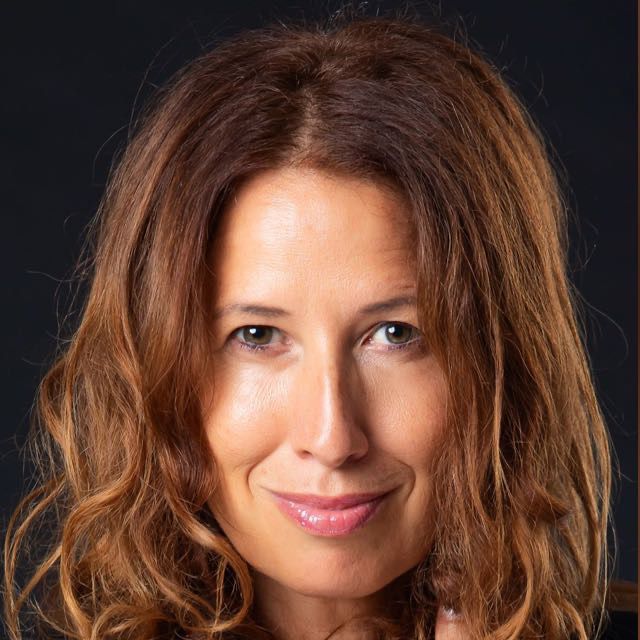
Roxana-Gabriela Curcă is a university professor at “Alexandru Ioan Cuza” University of Iași, holding a doctorate in History obtained in 2010 with the distinction magna cum laude. Her academic background includes master’s studies in General and Romanian Linguistics and a degree in Classical Languages. She has been teaching at the university since 2002, covering subjects such as prehistoric and ancient civilizations in Romania, ancient Greek, Latin, and Greco-Latin epigraphy. Her research interests, as reflected in her doctoral thesis, include Hellenism and Romanity and ethnic and linguistic interferences in the region of Moesia Inferior, as documented in literary and epigraphic sources. She has also participated in various conferences and has publications related to these topics.
Assoc.Prof.Dr. Marius ALEXIANU
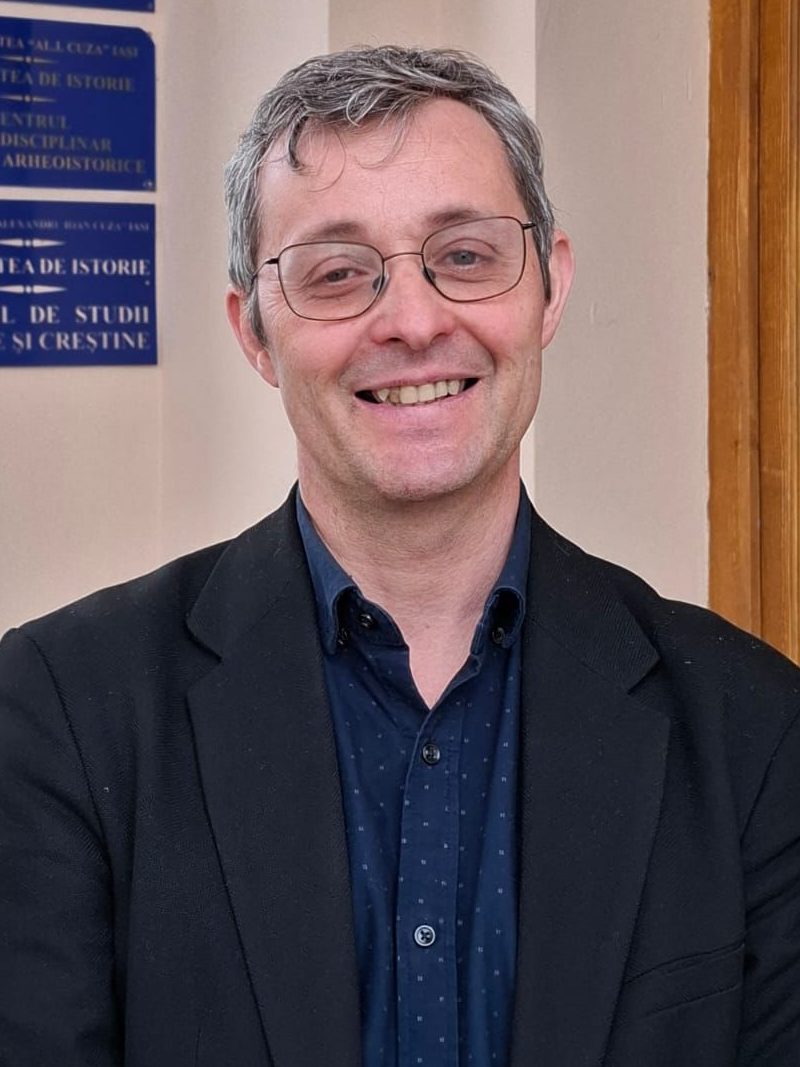
Marius-Tiberiu Alexianu is a researcher with a diverse academic background and extensive professional experience in archaeology, history, and classical philology. He holds PhDs in both History (2000) and Classical Philology (2011). His career includes roles as a professor of Latin, an archaeologist at the Museum of History in Piatra Neamț, an assistant researcher, and a researcher at the Romanian Institute of Thracology.
He has held various positions at “Alexandru Ioan Cuza” University of Iași, including associated lecturer, lecturer, associated professor, and director of an exploratory research project on the ethnoarchaeology of salt in Romania. He has also directed studies at the Centre for Egeo-Mediterranean Studies and is Head of the Ethnoarchaeology Section of Arheoinvest Platform at the same university.
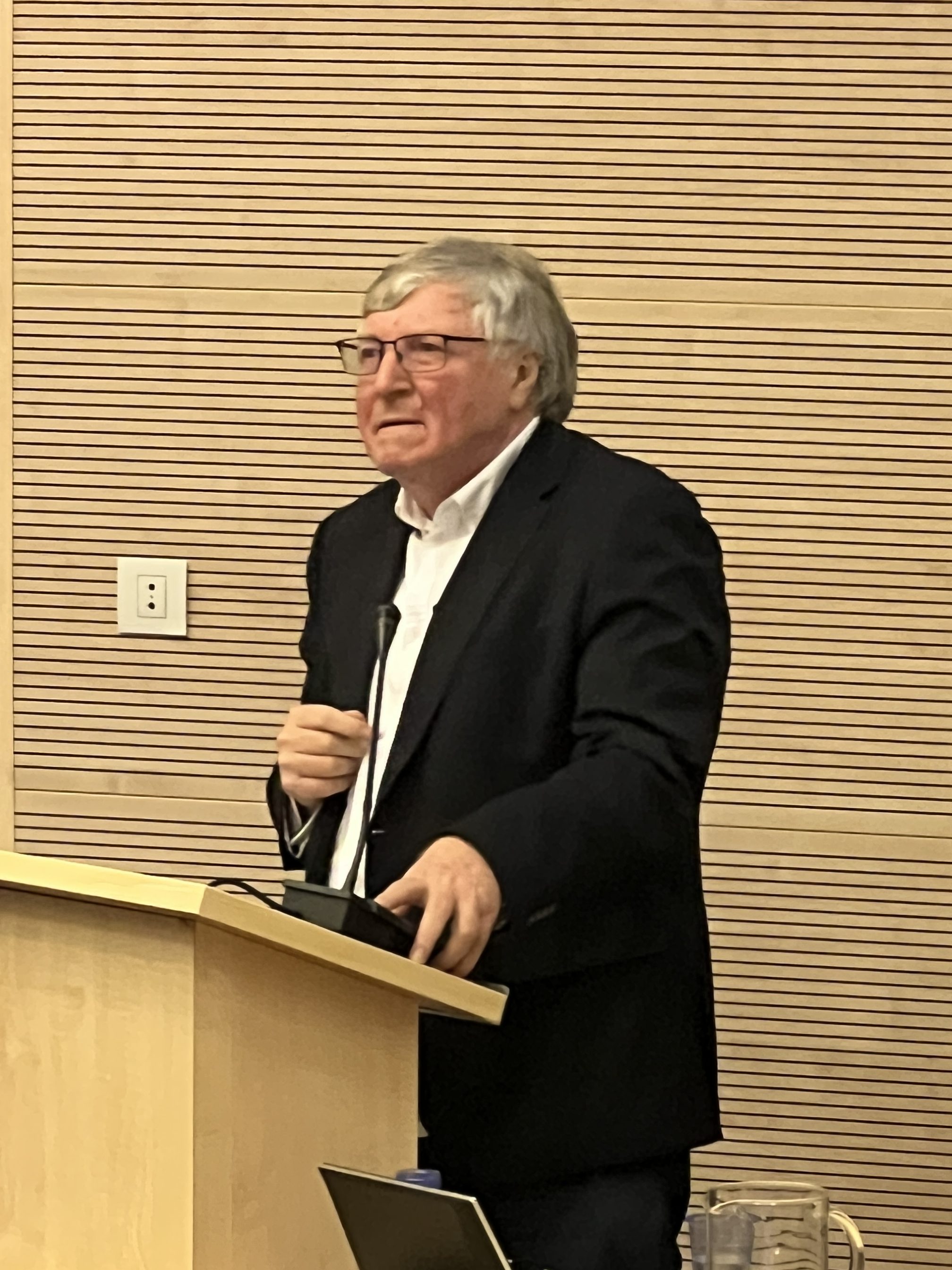
Prof.dr. Lucrețiu-Ion MIHAILESCU BÎRLIBA
Lucrețiu-Ion Mihailescu Bîrliba is a professor at “Alexandru Ioan Cuza” University of Iași, Faculty of History, since 2008. He has been a member of the university’s teaching staff since 1995, progressing through the ranks of assistant and lecturer. His expertise includes Greco-Latin Epigraphy, Universal Ancient History, Latin Epigraphy, the Middle East and Mediterranean in Antiquity, Historical Demography, and a special course on Universal Ancient History.
Senior Researcher I Florian MATEI-POPESCU
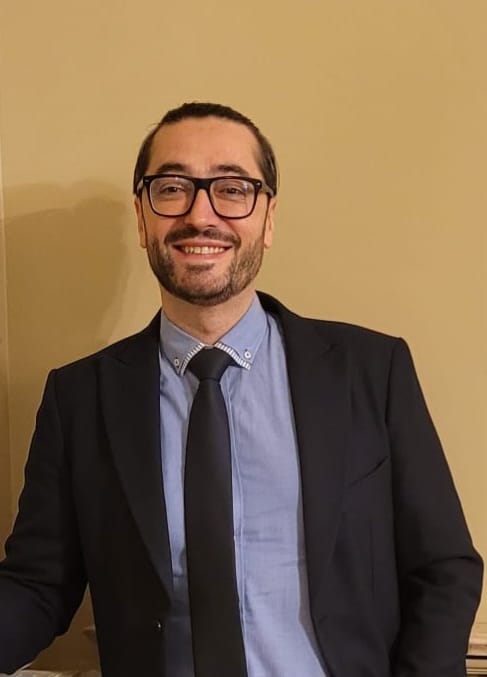
Matei-Popescu Florian is a researcher specializing in Latin and Greek epigraphy and Roman archaeology. From 2002 to 2007, he worked as a research assistant in the Greco-Roman Archaeology and Epigraphy section at the “Vasile Pârvan” Institute of Archaeology in Bucharest. His responsibilities included research in these areas. He is also involved in the editorial boards of several academic journals, including Acta Musei Napocensis, Caiete ARA, Peuce, Apulum, and Studii Clasice, and is on the scientific committee of the Journal of Ancient History and Archaeology.
Senior Researcher I Dumitru Dănuț (Dan) APARASCHIVEI
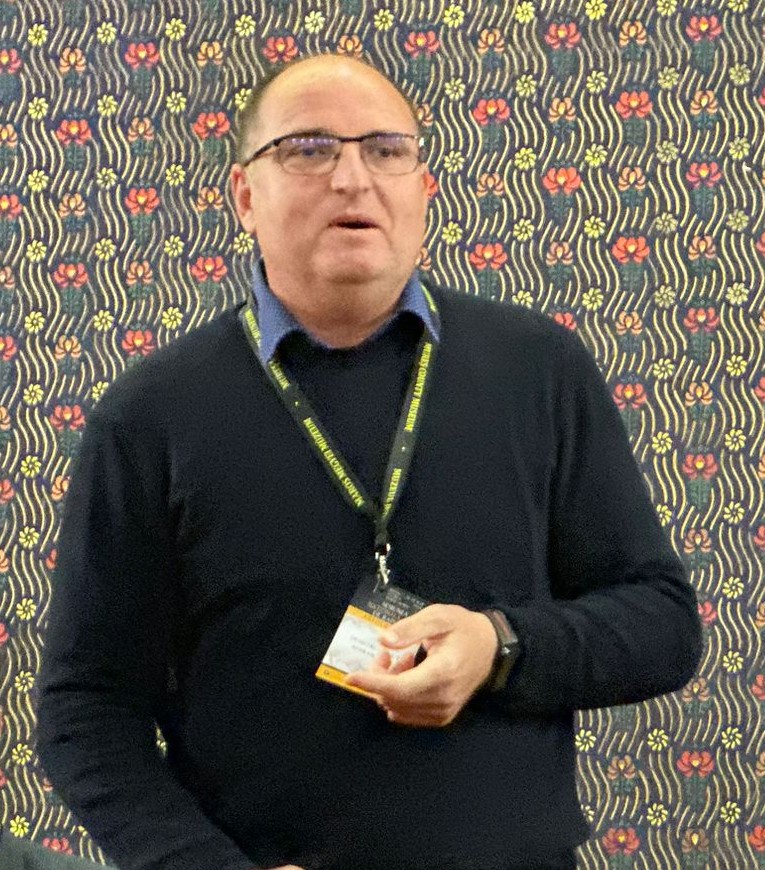
Senior researcher – Institute of Archaeology in Iași of the Romanian Academy PhD thesis – Genesis and evolution of the Roman cities from the Lower Danube (Ist-IIIrd c. A.D.) (published in 2010) Postdoctoral research – Healthcare and Medicine in Moesia Inferior province (published in 2012) General fields of researching – Archaeology and Antique History – Roman and Late Roman period from Lower Danube. Particular themes – Genesis and evolution of Roman cities; Romanization, acculturation and specific problems; Everyday life in Roman time; Ancient medicine; “Small finds” from Roman and Late Roman period. Project in progress – Based on about 500 artefacts from the “small finds” category, we carry out a research on numerous aspects of daily life in one of the most representative fortress of the late Roman province of Scythia – Ibida.
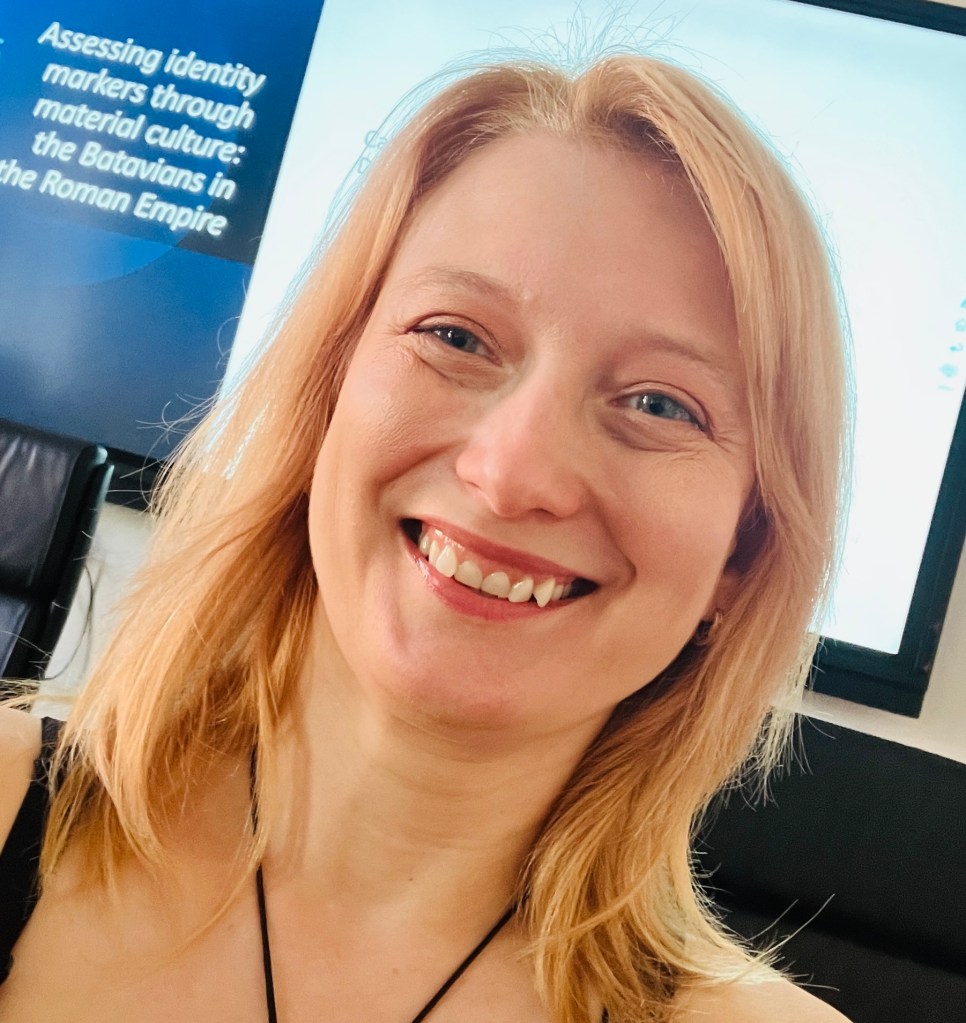
Rada Varga is a Senior Researcher at the the Institute of Advanced Studies in Science and Technology – STAR UBB, at the Babeș-Bolyai University, Cluj-Napoca. She holds a PhD in history (2012) and her main fields of expertise are Latin epigraphy, prosopography, digital humanities, and archaeological research. Her teaching portofolio include teaching positions at Babeș-Bolyai University and within the Sunoikisis DC network, where she has designed and delivered courses on digital humanities, prosopography, cultural heritage, and data visualization. Notably, she co-organized the Sunoikisis DC Digital Cultural Heritage Semester—a collaborative academic program involving the University of Leipzig, Harvard University. Her publication record includes monographs, namely Microistorii din Dacia Romană (2022), Carving a Professional Identity: The Occupational Epigraphy of the Roman Latin West (2020), and The Peregrini of Roman Dacia (106–212) (2014). In addition, she has co-authored and edited numerous volumes and journal issues, and her prolific output in peer-reviewed journals highlights her sustained engagement with key themes in ancient history, epigraphy, and archaeology. Dr. Varga’s archaeological experience significantly enhances her scholarly profile. She has been a core member of research teams working across various Roman sites, with a particular focus on military contexts. Since 2016, she has served as co-coordinator of the excavations at Războieni-Cetate, the site of the ala I Batavorum milliaria fort.
Senior Researcher II Iulia DUMITRACHE
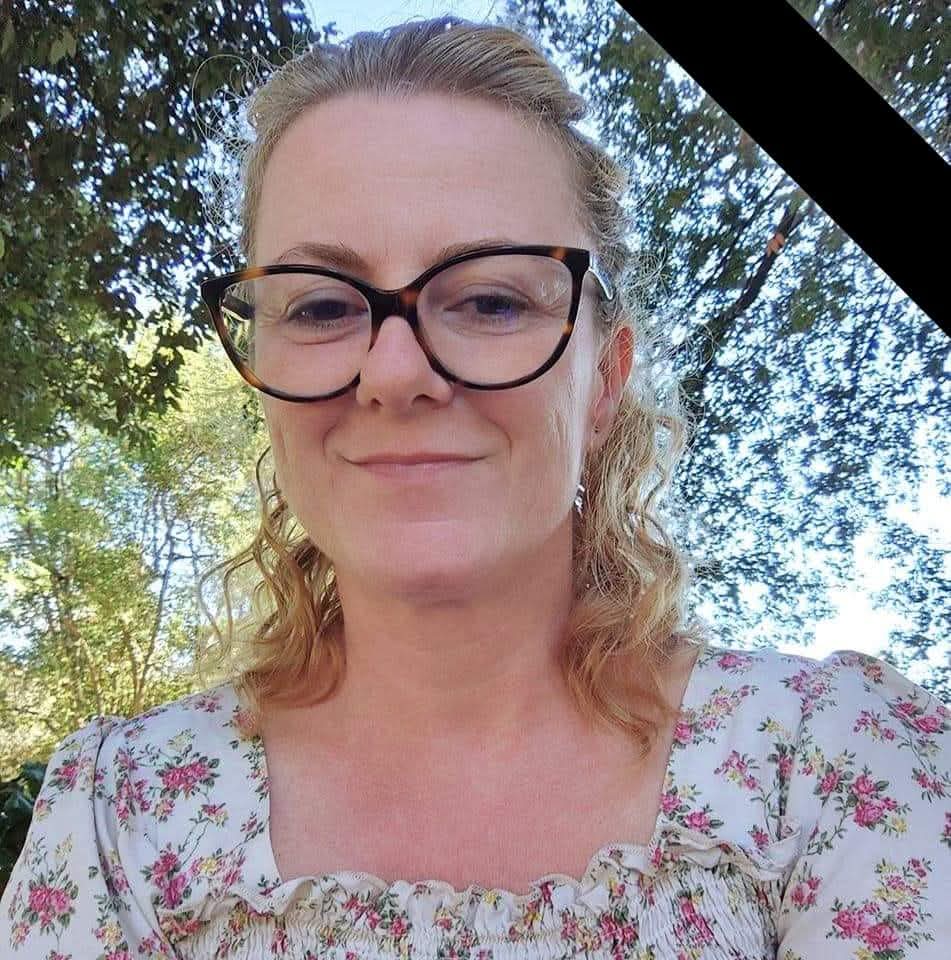
Iulia Dumitrache is a scientific researcher at “Alexandru Ioan Cuza” University of Iași, affiliated with the Institute of Interdisciplinary Research and the Arheoinvest Centre. Her professional experience includes roles as a principal referent for relations at the Accademia di Romania in Rome. She is also involved in editorial work for academic journals such as Antiquitas series, Journal of Multidisciplinary Research. New Approaches and Data, and Studia Antiqua et Archaeologica. She has participated in Erasmus mobility programs at the University of Innsbruck and Philipps Universitaet, Marburg.
Assoc.Prof.Dr. Claudia TĂRNĂUCEANU
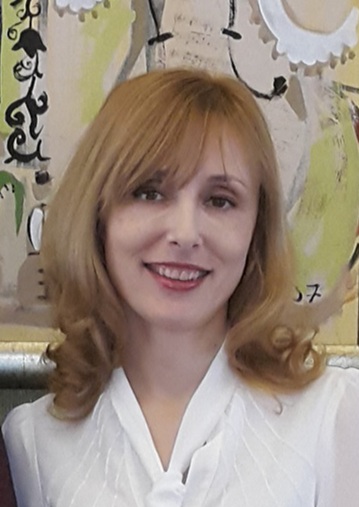
Claudia Tărnăuceanu is a classical philologist and Associate Professor (PhD) at the Faculty of Letters, “Alexandru Ioan Cuza” University of Iași. She is also a collaborator of the Faculty of Orthodox Theology within the same university, Vice President of the Classical Studies Society – Iași branch, and an active member of the Center for Classical and Christian Studies. Her research activity follows three main directions: the study of Latin-language works by Dimitrie Cantemir – a humanist scholar who used Latin as a means of scientific and political communication between East and West; the translation and critical edition of Latin texts – an activity reflected in several bilingual editions accompanied by extensive notes and commentaries (Cicero’s Divinatio in Caecilium, In Verrem, In Catilinam); and the analysis of the Latin language, with a focus on morphosyntactic, lexical-semantic, and stylistic aspects.
A related field particularly relevant to the LinguistRom project is paleography, which she has applied in the research and editing of Latin sources, especially in the case of medieval and Neo-Latin documents written on the territory of the Romanian Principalities and preserved in archives both in Romania and abroad (Vienna, Budapest). Her paleographic expertise supports the accurate identification and interpretation of Latin documents, contributing to the linguistic and cultural contextualization of the Romanization process.
Her recent research includes the study of syntactic figures in technical texts from Late Antiquity, the analysis of encomiastic discourses, and the reception of ancient authors in later periods.
She has also contributed to the editing and translation of patristic sources and Latin diplomatic documents, highlighting their formal, lexical, and stylistic features.
C. Tărnăuceanu is the author of a significant number of studies published in academic journals and collective volumes, as well as editor/co-editor of collective works that promote interdisciplinary perspectives on Greco-Latin Antiquity and its echoes in later cultural contexts. She has also participated in research projects that have facilitated academic dialogue among scholars in the fields of philology, history, and theology.
Young Researcher Casandra BRAȘOVEANU
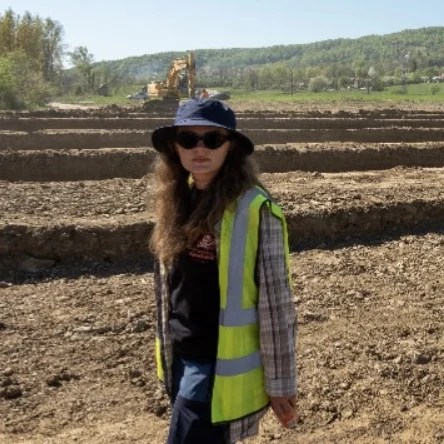
The primary contributions lie in interdisciplinary archaeology and cultural heritage documentation, focusing on the usage of non-invasive methods and techniques for prehistoric archaeological research in Romania, as well as the study of material culture – key areas that directly support the objectives of the current proposal. Addressing this topic, which draws on expertise from diverse scientific fields and requires an interdisciplinary methodology, showcases the project member’s expertise, that has been honed through international training (at Dokuz Eylül University, Izmir, Turkey), participation in specialized workshops (e.g., the Archaeometry Workshop on Bioarchaeology, organised by University of Tübingen’s Archäometrie Kolleg, and the Curt-Engelhorn Centre for Archaeometry in Mannheim; the Geophysics and Dating in Archaeology Workshop, attended at the University of Szeged, Hungary, etc.), and collaboration with multi-institutional research teams (including the “Ludwig Maximilian” University of Munich for non-invasive field surveys in Georgia).
Young Researcher Annamária – Izabella PÁZSINT
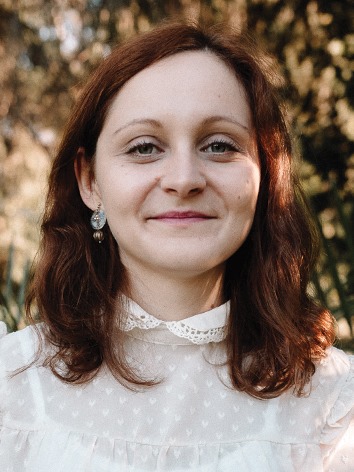
Annamária – Izabella Pázsint is a researcher (III) at the Institute of Advanced Studies in Science and Technology, Babeș-Bolyai University, Cluj-Napoca. She holds a doctoral degree in history (2019), and she has been collaborating with research teams from the Babeș-Bolyai University, the Alexandru Ioan Cuza University in Iași, the Institute of Archaeology in Iași, the Institute for Mediterranean Studies, Rethymno, Crete (Foundation for Research and Technology – Hellas), Université Paris Nanterre. Over the years she was granted scholarships/research grants from several national and international institutions. Her publications include: two books (Peeters, Mega); two co-edited volumes (Mega); 15 papers in peer-reviewed journals; 13 papers in volumes/conference proceedings published by national (Mega) and international publishing houses (Archaeopress, Peeters, Harrassowitz, Verlag Marie Leidorf GmbH); 12 book reviews.
Research fields: ancient history, the Black Sea area, Greek and Latin epigraphy, prosopography, digital classics/epigraphy, social network analyses.
PhD Candidate Alexandru CODESCU
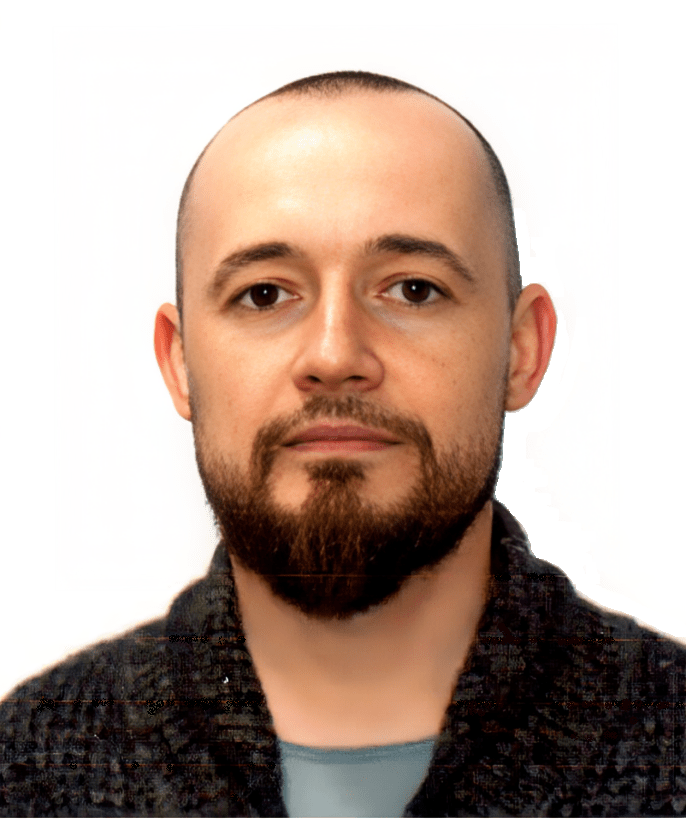
Alexandru Codescu is a researcher currently pursuing a Ph.D. in ancient history and archaeology at “Alexandru Ioan Cuza” University of Iași. He also holds an M.A. in ancient history and archaeology from Bucharest University, an LL.M. in international arbitration, and Bachelor’s degrees in both History and Law from Bucharest University. In parallel with his studies, he has worked as an attorney-at-law since 2013. His research interests are in ancient history and archaeology, as evidenced by his ongoing doctoral studies and previous master’s degree in this field, as well as his presentations on topics related to ancient history.
 LinguistRom